Product Description
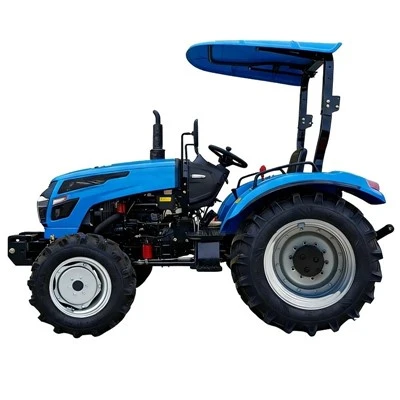
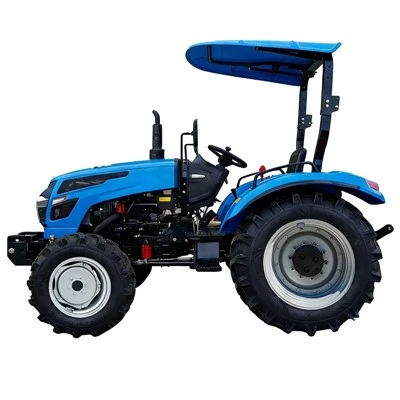
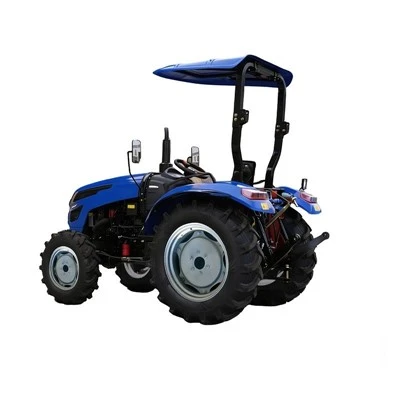
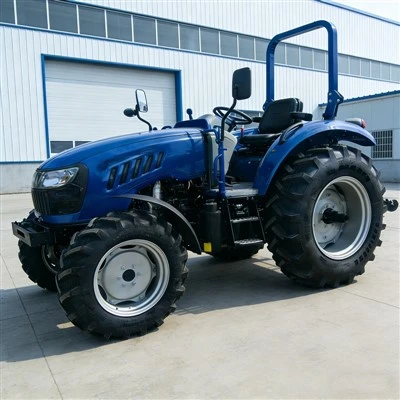
WOYE Slope Tractor is designed for agricultural work on sloping farmland, with configurations suited to different field operations and equipment requirements. The range covers 25–70HP across selected tractor platforms, with different drive systems, transmission options, and implement connections available according to model.
A tractor used on sloping land may need to handle soil preparation, powered implements, or trailer transport, each placing different demands on its powertrain and structure. The appropriate model should therefore be selected according to the actual work, terrain, and equipment rather than horsepower alone.
Features for Slope-Farming Operations
Four-Wheel Drive Options
Four-wheel drive is available on selected WOYE tractor platforms. By delivering driving force to both axles, 4WD can provide additional traction when working on sloping fields or loose soil, particularly during pulling and soil-preparation tasks.
Selected platforms may also be available in 2WD for suitable applications. The choice depends on the field surface, tire type, implement load, and expected workload. Four-wheel drive improves traction potential, but does not make every gradient or ground condition suitable for tractor operation.
Reinforced Frame
A reinforced frame is available on applicable models to provide structural support during agricultural work involving pulling and implement operation. This is relevant for tractors regularly used with soil-working equipment or other attachments that place repeated loads on the tractor structure.
Transmission and Implement Connections
WOYE platforms offer different transmission and PTO arrangements to suit different agricultural tasks. The transmission determines the available working speeds, while the rear PTO drives compatible powered equipment. Hydraulic outlets operate hydraulic attachments, and the three-point hitch connects mounted implements.
These arrangements vary by model. Buyers should check the required PTO speed, implement power demand, mounting category, and hydraulic connections against the selected tractor before purchase, particularly when the tractor will operate several types of equipment.
Slope Tractor Technical Specifications
|
Item |
Available Specifications |
|
Product |
Slope Tractor |
|
Engine Type |
Diesel |
|
Engine Power |
25–70HP across selected tractor platforms |
|
Drive Type |
4WD; 2WD available on selected models |
|
Transmission |
8F+2R or 8F+8R shuttle-shift options, depending on model |
|
PTO Speed |
540/720 rpm or 540/1000 rpm, depending on model |
|
Ground Clearance |
Approximately 310–330 mm on selected platforms |
|
Wheelbase |
Varies by tractor platform |
|
Wheel Track |
Platform-dependent; adjustable arrangements available on selected models |
|
Three-Point Hitch |
Category I / Type 1 on compatible models |
|
Hydraulic Outputs |
1 or 2 output groups, depending on configuration |
|
Tires |
Agricultural tire options |
|
Frame |
Reinforced frame on applicable models |
Operating Considerations on Sloping Land
Travel Direction and Ground Conditions
When selecting a Slope Tractor, consider the terrain and ground conditions in which it will operate:
- Slope Direction: Uphill, downhill, and cross-slope travel involve different operating demands.
- Soil Conditions: Soil firmness and moisture affect tire grip, especially after rain or irrigation.
- Field Routes: Consider the usual travel paths and working areas across the sloping farmland.
- Operating Limits: Follow the manufacturer's instructions and the specified gradient limits for the selected model.
Implement Loads and Transport
The tractor's workload and load distribution vary with the equipment and transport tasks. Buyers should assess:
- Mounted Implements: Equipment weight, mounting arrangement, and working requirements.
- PTO Requirements: Required PTO speed and power for powered implements.
- Hydraulic Connections: Number and type of hydraulic outputs needed by attachments.
- Trailer Loads: Expected trailer weight and the demands of transport on sloping routes.
Match these requirements with the selected tractor's rated capabilities before purchase.
Applications
Soil Preparation and Cultivation
Tillage and soil preparation can place sustained pulling demands on a tractor, particularly when the soil is loose or the implement works at greater depth. Engine output, transmission options, and drive type should be matched to the intended equipment and working conditions. Implement weight and working width are also relevant when assessing the required tractor platform.
Crop Maintenance on Sloping Farms
Spraying, mowing, and other crop-maintenance tasks may involve repeated passes over fields with changing gradients. The selected tractor needs to suit the equipment being used, including its weight, PTO requirements, and hydraulic connections. Buyers should also consider access routes and turning space when comparing available platforms.
Trailer Pulling and Farm Transport
Trailer transport requires a different assessment from field cultivation. Trailer weight, route conditions, transmission, tires, and braking arrangements all need to be considered, especially where transport routes include sloping sections. Buyers planning mixed field and transport duties should specify their expected loads before selecting a model.
Preparing Your Slope Tractor Requirements
When contacting WOYE, provide the approximate field gradient, typical travel direction, soil conditions, and main agricultural tasks. Include the specifications of the intended implements, such as equipment weight, mounting arrangement, PTO speed, and hydraulic requirements. If the tractor will also pull trailers, indicate the expected transport load. This information helps identify suitable tractor platforms and available equipment options.
Discuss Your Slope Tractor Requirements
Tractor System Inspection
WOYE's quality-control process includes checks on traction, PTO output, and hydraulic functions. These inspections cover key systems involved in tractor movement and the operation of compatible agricultural equipment.
|
Inspection Item |
Inspection Focus |
|
Traction Performance |
Traction-related performance under specified test conditions |
|
PTO Output |
PTO output performance |
|
Hydraulic Output |
Hydraulic system output performance |
|
Hydraulic Lifting |
Hydraulic lifting function |
FAQ
Q: What Safety Precautions Should Operators Follow When Using a Slope Tractor?
A: Operators should follow the manufacturer's operating instructions and stay within the specified slope limits. Avoid sudden turns, abrupt speed changes, and operation on excessively slippery or unstable ground. Cross-slope travel requires particular care because of the risk of tractor rollover. Only trained operators should operate the tractor on sloping farmland.
Q: What Should Be Checked Before Starting the Slope Tractor Each Day?
A: Before starting work, inspect the engine oil, coolant, fuel level, and tire condition. Check for visible oil or fuel leaks and make sure the brakes, steering, lights, and other essential controls are functioning properly. Any abnormal condition should be addressed before field operation.
Q: How Should a Slope Tractor Be Maintained After Working in Muddy or Wet Conditions?
A: Remove accumulated mud, soil, and plant debris, particularly around the radiator, tires, axles, and moving parts. Check for leaks, loose connections, or visible damage after cleaning. Follow the recommended maintenance schedule to help protect the tractor's components from premature wear.
Q: What Should Be Done Before Putting a Slope Tractor Into Long-Term Storage?
A: Clean the tractor and park it in a dry, covered area. Follow the manufacturer's storage instructions for the battery, fuel system, engine oil, and tires. Before using the tractor again, inspect its main systems and carry out any maintenance required by the operator's manual.
Hot Tags: slope tractor, China slope tractor manufacturers, factory, anti scratch orchard tractor, greenhouse dedicated tractor, hillside orchard working tractor, mountain hay mower tractor, tight row farming tractor, trellis cultivation tractor