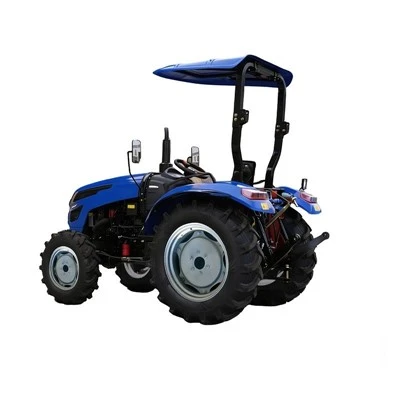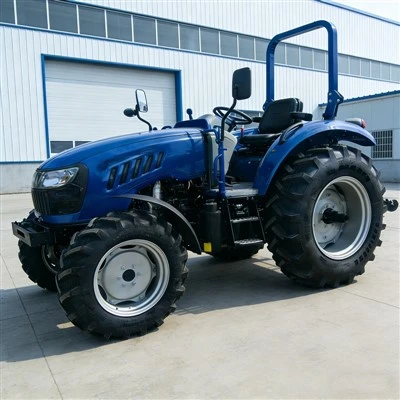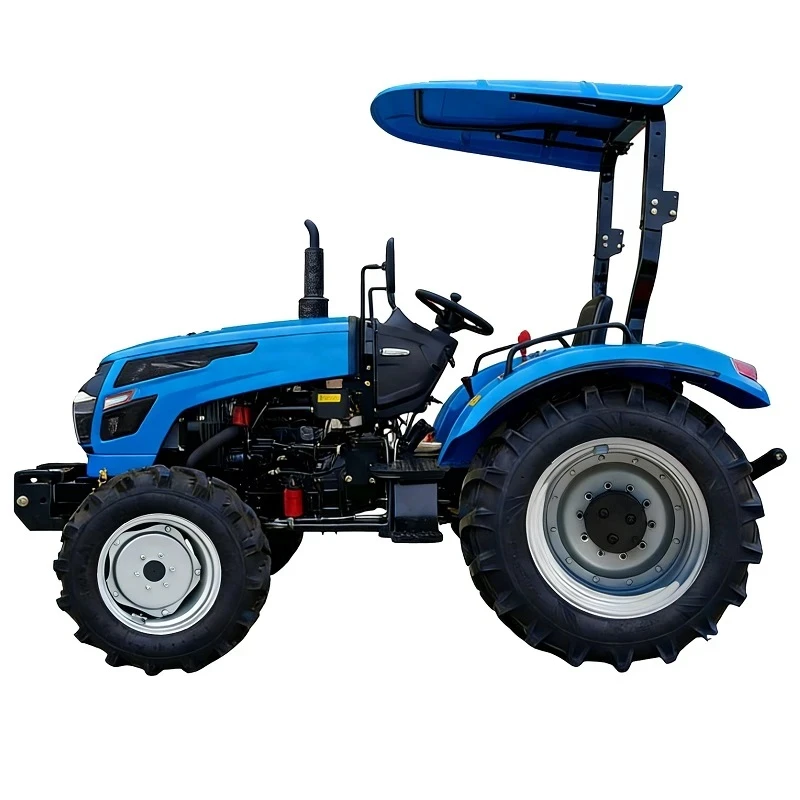
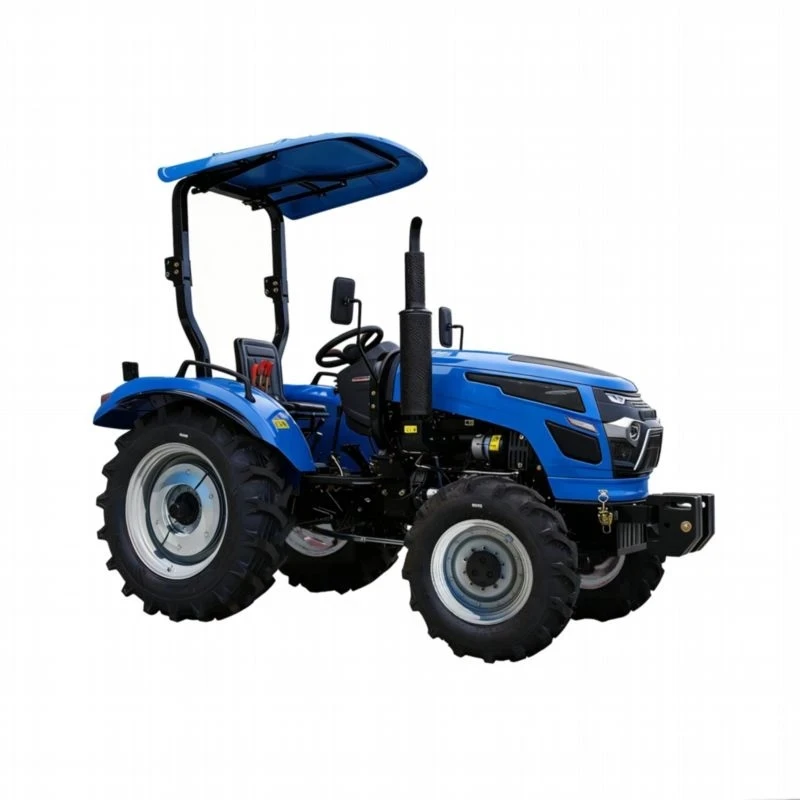


Product Description
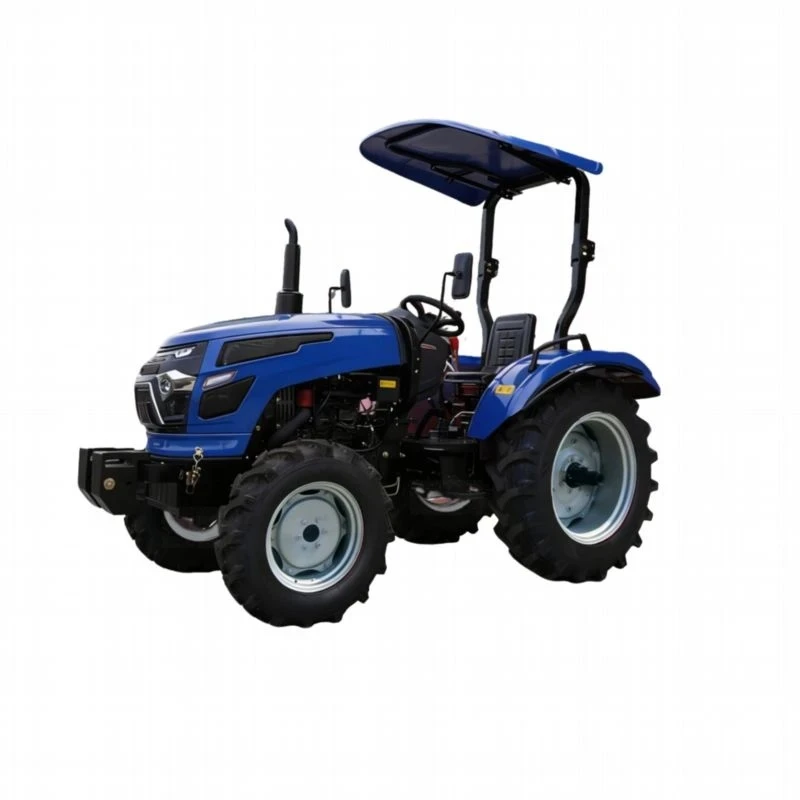
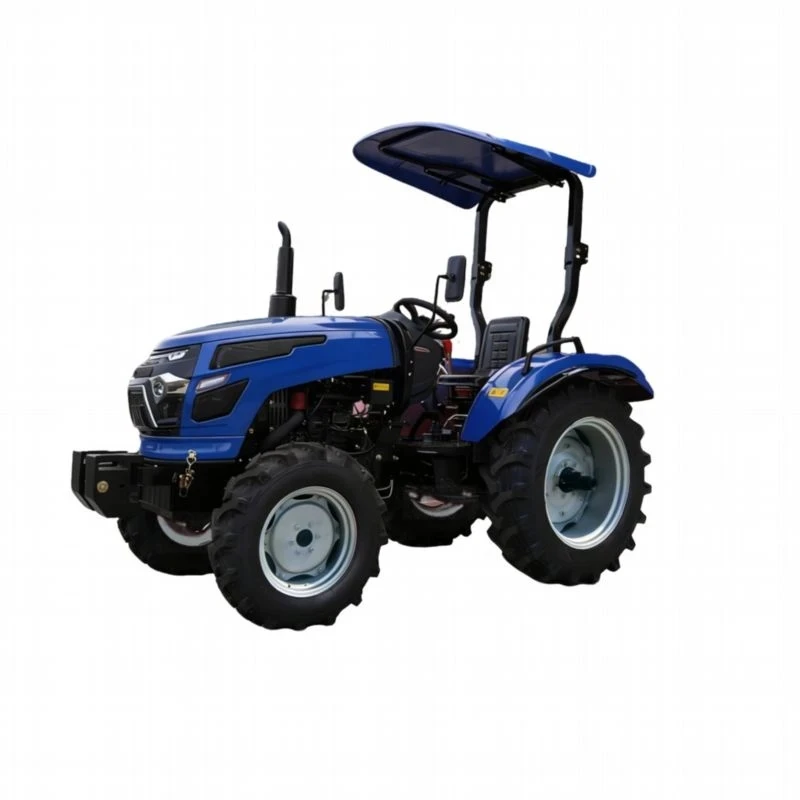
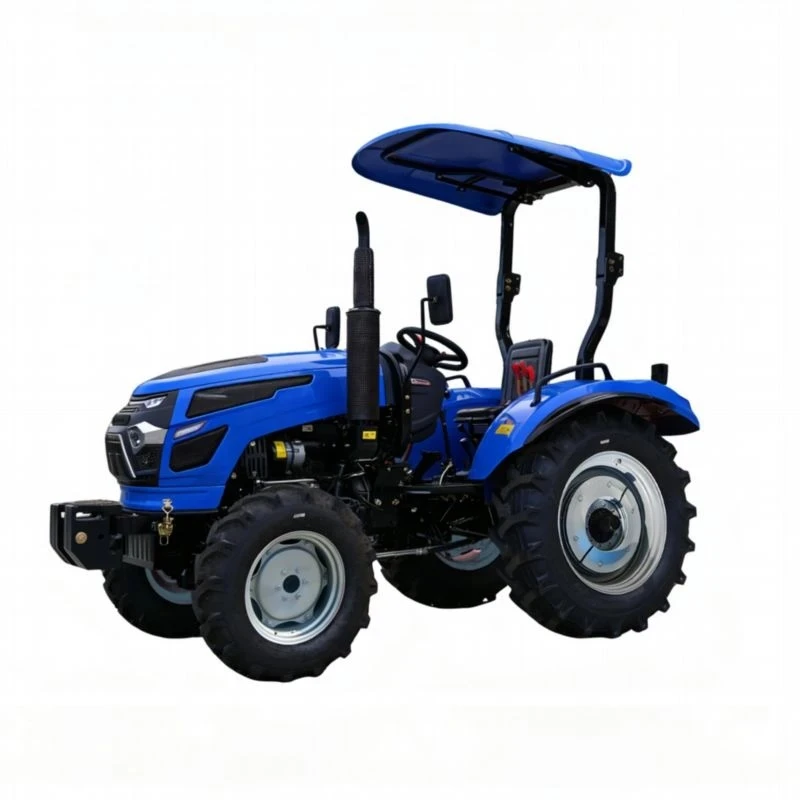
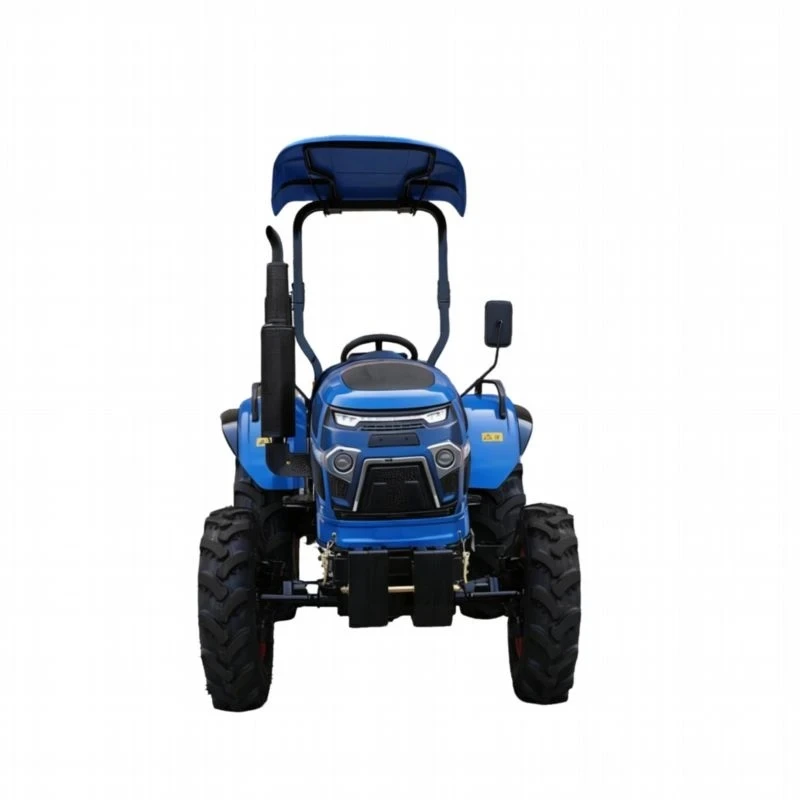
A narrow tractor needs to fit both the available access routes and the working space between crop rows. This model combines a compact body with a 40HP drivetrain, gear transmission, and hydraulic steering to support operations in confined agricultural environments. Its reinforced maintenance-free front axle is designed for regular field use, while the downward-mounted exhaust is a practical feature in areas where overhead clearance may be limited.
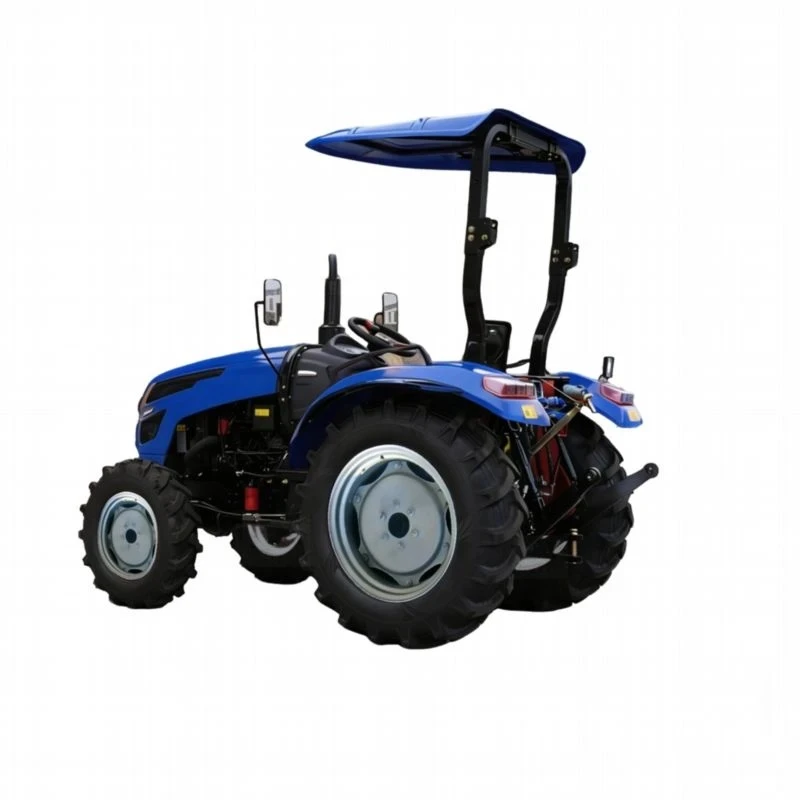
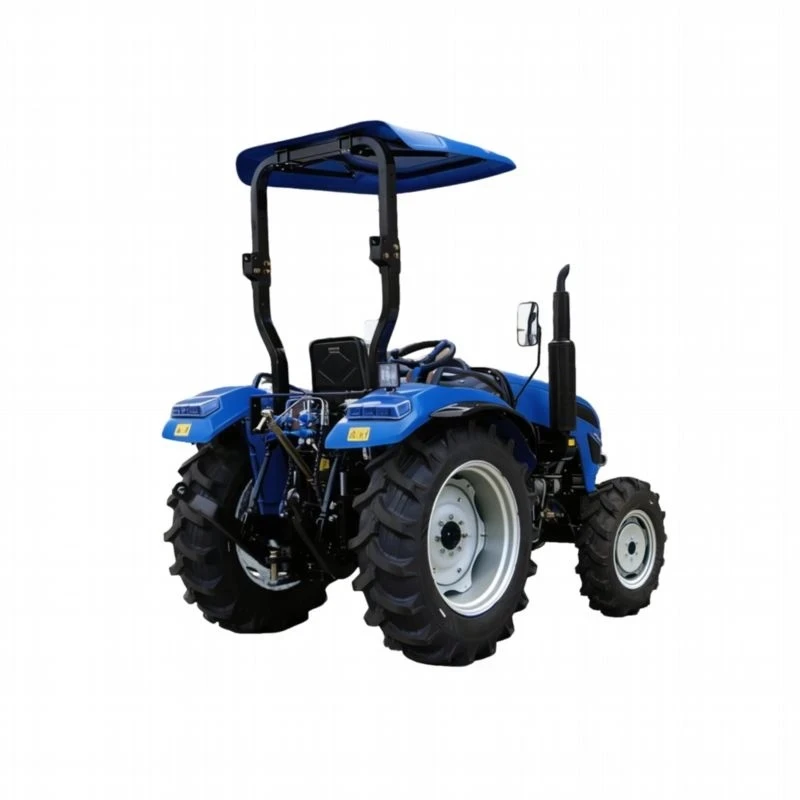
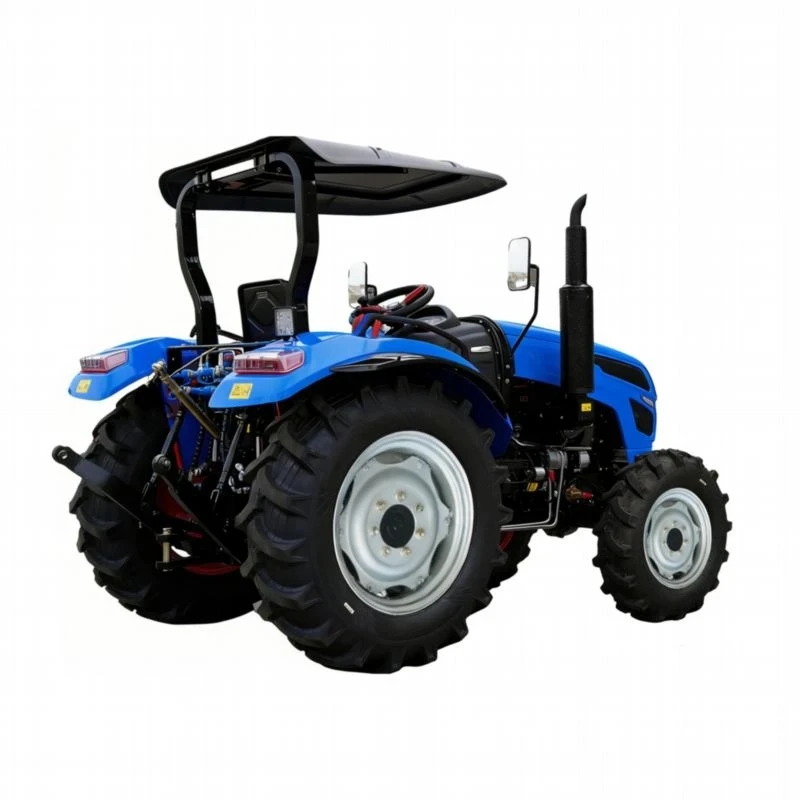
The rear three-point hitch and hydraulic system support compatible mounted implements for cultivation and other field maintenance tasks. Buyers should consider implement dimensions and weight alongside the tractor's own measurements, since the complete working setup determines whether it can move and operate effectively in a restricted area.
Key Features
With a body width of 1,260 mm, this tractor is designed for farms with narrower access routes and limited space between planting areas. It provides a useful starting point for evaluating greenhouse entrances, orchard rows, and vineyard lanes. However, buyers should confirm the total outside width, including tires and protruding components, before ordering.
The 40HP diesel engine and four-wheel-drive system provide power and traction for routine agricultural work. Combined with gear transmission, they support cultivation and field maintenance across different farm settings.
The 1,470 mm wheelbase is an important dimension when assessing the tractor's fit within crop rows and maneuvering areas. Hydraulic steering supports handling during field operations, but wheelbase alone does not determine turning radius. Buyers working in particularly tight spaces should check the actual turning dimensions separately.
The reinforced maintenance-free front axle supports regular agricultural use. The downward-mounted exhaust is also worth considering for operations around greenhouse structures or other areas with limited overhead clearance.
The rear three-point hitch and hydraulic system allow the tractor to work with compatible mounted implements. Before selecting attachments, buyers should check mounting dimensions, implement weight, working width, and required hydraulic connections to ensure the complete setup suits the intended operation.
Technical Specifications
|
Item |
Specification |
|
Product Name |
Narrow Tractor |
|
Engine Power |
40HP |
|
Fuel Type |
Diesel |
|
Drive Type |
4WD |
|
Transmission |
Gear Transmission |
|
Body Width |
1,260 mm |
|
Wheelbase |
1,470 mm |
|
Steering |
Hydraulic Steering |
|
Front Axle |
Reinforced Maintenance-Free Front Axle |
|
Exhaust |
Downward-Mounted |
|
Rear Hitch |
Three-Point Hitch |
|
Hydraulic System |
Equipped |
|
Operator Seat |
Spring Seat |
Applications
The tractor is intended for agricultural environments where working space and access dimensions influence equipment selection. Its compact body makes it worth considering for several types of farm operations, although suitability depends on the actual layout and the implements being used.
- Greenhouses: For cultivation and routine field tasks along internal aisles, check entrance width, aisle clearance, and overhead structures before bringing the tractor into the greenhouse.
- Orchards: For inter-row cultivation and maintenance, compare the tractor's overall width and implement dimensions with the spacing between tree rows. Turning space at row ends is equally important.
- Vineyards: For operations between vine rows, the tractor's compact dimensions can help address access restrictions. Row spacing, ground conditions, and the working width of mounted equipment should all be considered.
- Vegetable Farms: For cultivation and general field maintenance between planting areas, evaluate whether the tractor and its attachments can pass through the available lanes without disturbing adjacent crops.
Check the Working Space Before Selecting
The nominal body width is only one part of narrow-tractor selection. A tractor that fits through a farm entrance may still be difficult to maneuver between crop rows or operate with a mounted implement. Buyers should therefore evaluate the tractor, the available working space, and the intended attachment as one complete setup.
Before confirming suitability, check the following dimensions and conditions:
- Access routes: Measure greenhouse entrances, farm gates, and the narrowest sections of internal lanes.
- Crop-row spacing: Compare the available distance between trees, vines, or planting beds with the tractor's total outside width.
- Turning areas: Check the space available at row ends and field corners. The 1,470 mm wheelbase does not establish the tractor's turning radius.
- Implement dimensions: Include the attachment's overall width, mounting dimensions, and weight in the assessment.
- Overhead clearance: For greenhouse operations, check door heights, roof structures, pipes, and other overhead obstacles.
The stated 1,260 mm body width should not automatically be treated as the tractor's total outside width. Tire dimensions and components extending beyond the body can affect the actual clearance required. Where access is restricted to a fixed dimension, buyers should request the complete dimensional drawing and relevant turning information before placing an order.
Discuss Your Narrow Tractor Requirements
WOYE Manufacturing & Quality Support
WOYE brings over 20 years of experience in agricultural machinery and an annual production capacity of approximately 3,000 units. Production and quality inspection processes support the supply of tractors to overseas markets, while export experience and technical support help distributors and agricultural equipment buyers with their sourcing requirements.
For buyers evaluating this narrow tractor, these capabilities provide a basis for discussing product supply and technical requirements with the manufacturer.
FAQ
Q: Is the 1,260 mm body width the tractor's total outside width?
A: Not necessarily. Body width and total outside width are not always the same measurement, as tire dimensions and components extending beyond the body can affect the space required. If the tractor needs to pass through a fixed-width entrance or work between closely spaced crop rows, request the overall outside dimensions rather than relying on the nominal body-width figure alone.
Q: Does the 1,470 mm wheelbase determine the tractor's turning radius?
A: No. Wheelbase measures the distance between the front and rear axles, whereas turning radius also depends on steering angle and other design dimensions. For orchards, vineyards, or greenhouses with limited turning space, buyers should obtain the actual turning-radius information and compare it with the available clearance at row ends.
Q: Can this narrow tractor work inside a greenhouse?
A: It may be suitable where the entrance, internal aisles, and working areas accommodate its dimensions. In addition to checking the tractor's outside width, consider overhead clearance, turning space, ventilation conditions, and the dimensions of any mounted implements. These factors are particularly important in greenhouses with fixed structures or narrow internal routes.
Q: What row spacing is suitable for this tractor?
A: There is no universal row-spacing figure that applies to every orchard or vineyard. The required clearance depends on the tractor's total outside width, tire arrangement, implement dimensions, and the additional space needed for maneuvering. Buyers should compare these measurements with the actual distance between crop rows, rather than using the 1,260 mm body width as the only selection criterion.
Q: What should I check when comparing narrow tractors for an orchard or vineyard?
A: Start with the dimensions that affect access and maneuverability: total outside width, wheelbase, turning radius, tire dimensions, and ground clearance. Then consider whether the tractor can accommodate the implements needed for inter-row cultivation or maintenance. A model with a narrow body may still be unsuitable if its attachments are too wide or the available turning area is insufficient.
Q: What information should distributors provide when sourcing this tractor?
A: Distributors should provide the intended application, estimated order quantity, destination market, and any branding or packaging requirements. For customers serving greenhouse, orchard, or vineyard markets, it is also useful to identify typical entrance widths, crop-row spacing, and the implements required by local users. This information helps clarify whether the model's dimensions and working capabilities match the needs of the target market.
Hot Tags: narrow tractor, China narrow tractor manufacturers, factory, compact indoor farm tractor, low centre of gravity tractor, low profile orchard tractor, mountain grassland utility tractor, slim chassis vineyard tractor, vineyard terrain adapted tractor