Product Description
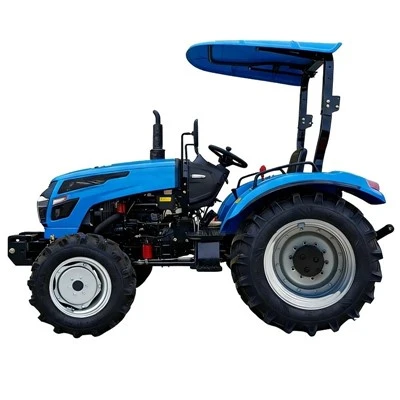
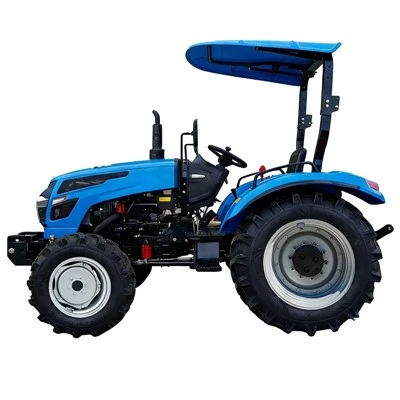
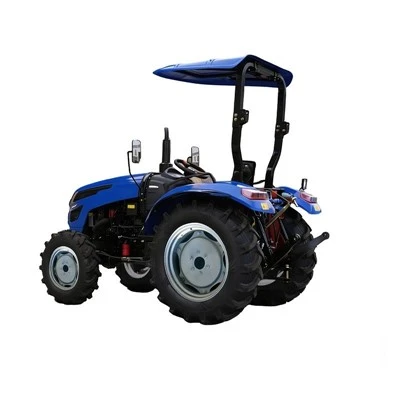
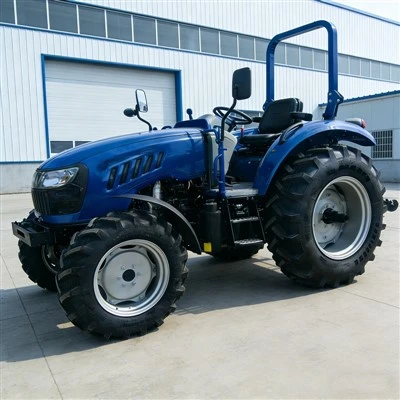
The Low Profile Tractor is designed for agricultural operations where overhead clearance limits the use of conventional tractors. It is suitable for working beneath low tree canopies, pergola systems, vineyard trellises, greenhouse structures, and other overhead obstacles.
Unlike a narrow tractor, which is primarily designed to travel between closely spaced crop rows, a low profile tractor addresses vertical space restrictions. Its overall height and upper structure are the key considerations when selecting a machine for restricted-clearance environments.
Key Features of Low Profile Tractor
Overall Height and Overhead Clearance
The defining consideration for a low profile tractor is its overall height. The highest point of the machine determines whether it can pass beneath low branches, trellis frames, greenhouse structures, and building entrances.
Several components influence this measurement, including tire diameter, fenders, the engine hood, exhaust and intake components, mirrors, warning lights, and the operator protection structure. Buyers should consider the complete tractor configuration rather than relying on chassis height alone when assessing available clearance.
Operator Station and ROPS Options
The operator station affects both working comfort and the tractor's overall height. An open platform generally allows a lower profile, while an enclosed cab provides greater protection from weather and external conditions.
ROPS is an important part of the operator protection arrangement. Its height and operating position must be considered when assessing clearance. A folding ROPS, where provided, must be used in accordance with the manufacturer's operating instructions and applicable safety requirements. The tractor should not be operated with its protective structure folded unless the equipment instructions specifically permit that use.
PTO, Hydraulic and Implement Compatibility
The tractor can be equipped with a rear PTO, hydraulic connections, and a three-point hitch for compatible agricultural implements. These connections support work with equipment such as sprayers, rotary tillers, mowers, and cultivators.
Before selecting a tractor and implement combination, buyers should check PTO speed, hydraulic requirements, hitch category, implement weight, and working width against the selected tractor configuration.
Technical Specifications
|
Item |
Specification |
|
Tractor Type |
Low Profile Agricultural Tractor |
|
Engine |
Diesel Engine |
|
Drive Type |
2WD / 4WD |
|
Transmission |
Manual or automatic options, subject to platform compatibility |
|
PTO Speed |
540 / 1000 rpm options |
|
Operator Station |
Open Platform / Enclosed Cab |
|
Operator Protection |
ROPS options, according to tractor model |
|
Overall Height |
Dependent on the selected tire, operator station, ROPS, and upper-component arrangement |
Applications
Low-Canopy Orchards
In mature orchards, low-hanging branches can restrict the vertical space available for machinery. A low profile tractor can support routine operations beneath suitable tree canopies, including spraying, mowing, orchard-floor maintenance, and cultivation. Apple and citrus orchards are examples of environments where overhead clearance needs to be considered during tractor selection.
Pergola and Trellis Vineyards
Pergola and trellis systems use overhead frames, crossbars, and support wires that may limit tractor access. A low profile configuration can help growers carry out vineyard maintenance and crop management beneath these structures, provided the tractor's operating height is compatible with the lowest parts of the trellis.
Greenhouses and Covered Growing Areas
Greenhouses may contain low entrances, support frames, irrigation pipes, and other installations that restrict machinery movement. A suitably sized tractor can support compatible soil preparation, cultivation, spraying, and material transport. Both the entrance and the available working space inside the structure need to be considered.
Low Agricultural Buildings
Some agricultural buildings have low doorways, roof supports, or internal installations that restrict standard tractor access. A low profile tractor can be considered for suitable maintenance and transport operations, provided its dimensions, turning space, floor conditions, and implement arrangement meet the site's requirements.
Customization Options
WOYE offers tractor customization across dimensions, powertrain arrangements, and operator options. The available choices depend on the selected tractor platform and its compatibility with the intended application.
|
Customization Area |
Available Options |
|
Tractor Dimensions |
Overall dimensions, wheelbase, track width, and ground clearance |
|
Height-Related Components |
Compatible tire sizes, operator station, ROPS, and upper-component arrangements |
|
Powertrain |
Engine power selection, 2WD / 4WD, and compatible transmission options |
|
Implement Connections |
PTO speed, hydraulic flow, auxiliary circuits, and three-point hitch options |
|
Operator Options |
Open platform, enclosed cab, and model-specific ROPS arrangements |
|
Appearance and Branding |
Color, logo, and private-label options |
Discuss Your Low-Clearance Tractor Requirements
Why Source Low Profile Tractors from WOYE?
Tractor Manufacturing and Assembly
WOYE's tractor manufacturing process covers structural component processing, core-system assembly, and finished-tractor inspection. The company has an annual tractor production capacity of approximately 3,000 units, supporting supply for agricultural equipment distributors and other B2B buyers.
Quality Inspection and Performance Testing
Quality checks include PTO, hydraulic, braking, traction, and road performance. These inspection stages help assess the operation of important tractor systems before the equipment is supplied to customers.
Tractor and Agricultural Implement Supply
WOYE also supplies agricultural implements for soil preparation, planting, fertilizing, and crop protection. Buyers can source related agricultural machinery through one supplier, helping simplify equipment selection and supply coordination.
FAQ
Q: How much additional clearance should I allow beyond the tractor's measured height?
A: The available passage height should exceed the tractor's actual operating height. Additional room is important because uneven ground, changes in terrain, branches, and other obstacles may affect clearance during movement. The required allowance depends on the site conditions, so buyers should assess the complete route rather than measuring only the entrance.
Q: Can the tractor be supplied with an enclosed cab or ROPS?
A: Open-platform, enclosed-cab, and ROPS arrangements depend on the selected tractor model and platform compatibility. Buyers should provide their preferred operator protection arrangement and maximum available height so the configuration can be assessed before ordering.
Hot Tags: low profile tractor, China low profile tractor manufacturers, factory, compact indoor farm tractor, hillside haying tractor, low clearance greenhouse tractor, rough pasture field tractor, steep slope hay tractor, tight row farming tractor